The best things to do in Ubud are not really things. They are people, blessings, chants, and one healer made famous by a Hollywood film, held together by some of the best cafe hopping in Southeast Asia. This is the town where Bali stops being a beach holiday and becomes something else entirely.
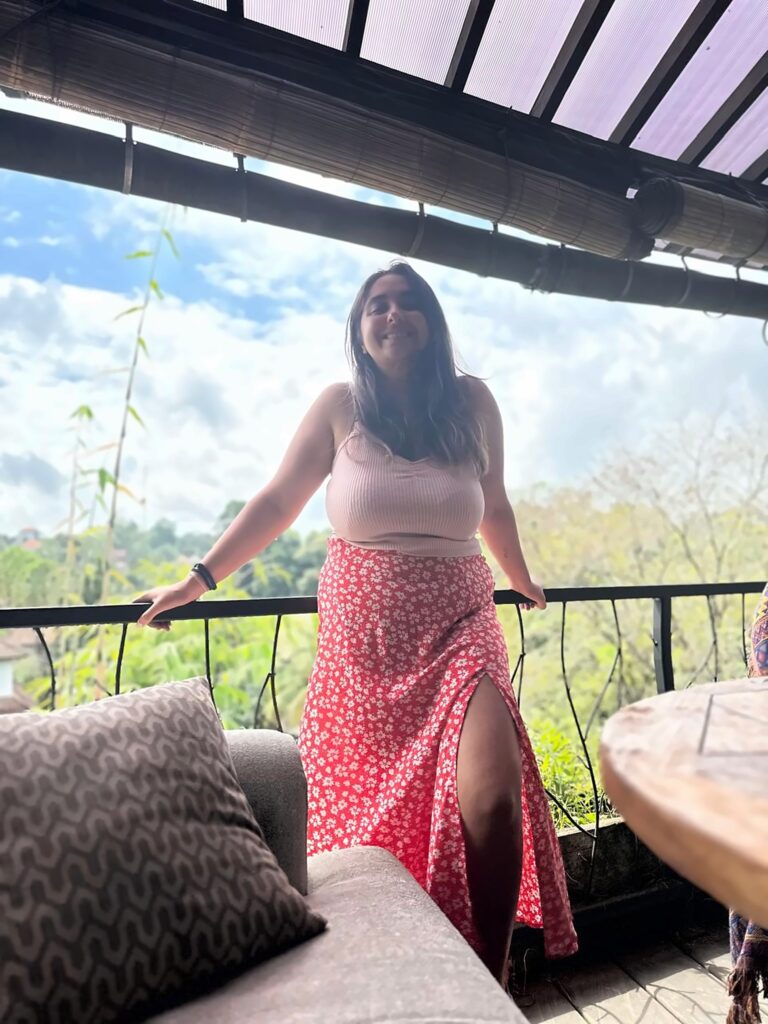
Balinese tradition holds that the island sits on a powerful energy line, and plenty of travellers will tell you Ubud is its centre. I cannot prove any of that. I can tell you that within a day of arriving, my shoulders dropped, my sleep deepened, and my plans stopped mattering. Whether you call that a vortex or just a town built around temples, rivers and daily offerings, you will feel it.
Last checked: August 2026. Prices in rupiah with dirhams alongside, rough rate IDR 100,000 to about AED 22 or USD 6.
Why Ubud feels different
Ubud is Bali’s spiritual heart, and it does not perform the role for tourists. It simply lives it. Offerings appear on every doorstep by 8am. Temple bells cut through cafe chatter. The people I met were god-fearing in the gentlest sense of the phrase: humble, unhurried, quick to give thanks, and quicker to help a stranger. The town runs on gratitude the way other towns run on traffic.
Come with an open schedule. Ubud rewards the unplanned hour more than any place I have written about.
A note from me
I did not come to Ubud for content. I came the year I lost my mom, looking for something like closure, and I am not sure closure is what I found. What I found were people who pray daily, give thanks for small things, and treat strangers gently. Somewhere between a water blessing and a chant I did not know the words to, the trip stopped being about grief and started being about gratitude. That is what this town does, if you let it.
Wayan, the real Eat Pray Love healer
Yes, she is real, and yes, you can see her. Jero Wayan Nuriasih, the healer Julia Roberts’ character visits in Eat Pray Love, still receives people at her Balinese healing centre on Jl. Tirta Tawar in Junjungan, on the northern edge of Ubud.
I went in for a body scan, about IDR 1,000,000 (around AED 220), and I will say this as plainly as I can: she read me. She named the sadness I had been carrying and placed it seven years back, almost to the year. She described my issues before I had said a word about them. You sit there deciding whether to be rational about it, and then you stop deciding, because she is already three truths deep.
She is pure magic. Do not be afraid of her, of the directness, or of what she might say. Go with an open mind and let it be whatever it turns out to be. She is not a hospital and does not pretend to be; she is something older.
Knowing before you go: mornings are best, bring cash, and do not expect a schedule. You can message her centre on WhatsApp to ask about timing, or simply turn up and wait your turn with whoever else the island sent that day. Give it hours, not minutes.
Temples and the water blessing
Tirta Empul, the water temple
The one I went for. Tirta Empul is Bali’s great purification temple, where a spring feeds a long stone pool lined with fountains, and pilgrims move fountain to fountain through the melukat cleansing ritual. Locals and travellers queue in the same water. Go before 9am for quiet, wear the sarong they provide at the gate, bring a change of clothes, and treat it as a ceremony rather than a photo stop, because for everyone else in that pool, it is one.
Saraswati, the lotus temple in town
Five minutes from Ubud Palace, floating on a lotus pond, dedicated to the goddess of knowledge and the arts. Free to wander the forecourt, loveliest at golden hour, and the easiest dose of temple you will ever take.
Sound, chant and the pyramids
Kirtan night at The Yoga Barn
Kirtan is call-and-response chanting, and The Yoga Barn’s version went on well past my bedtime, which tells you how it goes. You do not need to know the words, the words find you by the third round. A room full of strangers singing Sanskrit together sounds like the most awkward thing imaginable and turns out to be the opposite: by the end it feels like community, which in Ubud is not a buzzword but the actual product. Check their schedule when you land and build the evening around it.
Pyramids of Chi
Sound healing inside two enormous pyramids built to the proportions of the ancient Egyptian ones, sitting in the Ubud greenery like they have always been there. You lie down, the gongs and bowls start, and an hour disappears. Sessions run from about IDR 400,000 (around AED 88), and it books out, so reserve a day or two ahead. Even the sceptics on my mat row went quiet in the best way.
Culture night at Ubud Palace
Every evening at 7:30 the royal courtyard of Ubud Palace becomes a stage for classical Balinese dance: Legong most nights, and on its nights the Ramayana ballet, which is the one I caught. Gamelan, gold costumes, a story you half-know told entirely in eyes and fingertips, all inside a real palace. Tickets are around IDR 120,000 (about AED 27) at the gate or online, and the advice everywhere is the same: arrive 45 minutes early for a decent seat. Deeply, properly cool, and the easiest culture you will ever absorb in ninety minutes.
The cafes worth planning a day around
Ubud’s cafe scene is a destination in its own right, and it is heaven for anyone eating plant-based, marked (V) where the whole kitchen is.
Sayuri Healing Food (V)
The vegan institution. Part cafe, part cultural hub, with a social main room, a quiet garden, and a hidden upstairs of low sofas. Live music some Saturdays. If Ubud has a living room, this is it.
Alchemy (V)
Raw vegan done so well you forget the label. Build-your-own bowls and desserts with no refined sugar, gluten or dairy that still taste like dessert. Mind-blowing is overused; here it is accurate.
Clear Cafe
Healthy, huge menu, floor cushions upstairs, and the kind of ease that turns one juice into three hours. Half of Ubud seems to pass through daily.
Sari Organik
A table in the middle of a working rice paddy, reached by a walking path. Order simply, look up often.
Seniman Coffee
Where the coffee nerds go. Roasted on site, taken seriously, priced gently.
Monsieur Spoon
French pastries with a terrace over the rice fields. The croissant-and-view combination Ubud mornings were designed for.
Where to actually meet people
Ubud might be the easiest solo destination in Asia. The Yoga Barn is the social engine: classes all day, kirtan and ecstatic dance nights where talking to strangers is the whole format. Sayuri’s events pull the same warm crowd. The Onion Co, a coworking space with rooms and a pool, fills with people who came for a week and stayed a season. Sit anywhere with a journal and someone will ask what you are writing. Say something true and you have a dinner plan.
Nomad Ubud
I stayed in an Airbnb near Ubud Market and would do it again: everything walkable, the market chaos at your door in the morning, and the town’s whole rhythm within reach without a scooter. For work, Outpost runs proper coworking across more than one Ubud location, The Onion Co does cowork plus stay, and half the cafes above hold their own on wifi, with Sayuri and Clear the most laptop-tolerant. A latte runs IDR 25,000 to 40,000, which makes a full working day cost less than a Dubai flat white.
What things cost
| Experience | Price (IDR) |
|---|---|
| Wayan’s body scan (what I paid) | about 1,000,000 |
| Pyramids of Chi sound session | from about 400,000 |
| Ubud Palace dance night | about 120,000 |
| Cafe latte | 25,000 to 40,000 |
| Warung meal | from about 35,000 |
| Temple entries | small, well under AED 30 each |
Rough rate used: IDR 100,000 is about AED 22 or USD 6. Prices checked August 2026.
One piece of advice instead of an itinerary: do not schedule Ubud. One healing thing a day, one temple in the morning cool, one long cafe afternoon, and leave the rest empty. This town does its best work in the gaps you leave it.
Questions people ask
Is the Eat Pray Love healer still in Ubud?
Yes. Jero Wayan Nuriasih still receives visitors at her healing centre on Jl. Tirta Tawar in Junjungan, north Ubud. Go in the morning, carry cash, and expect to wait your turn rather than book a slot.
What are the best things to do in Ubud?
The things to do in Ubud that people remember are the spiritual ones: a water blessing at Tirta Empul, a session with a Balinese healer, sound healing at the Pyramids of Chi, kirtan at The Yoga Barn, and an evening of classical dance at Ubud Palace, padded generously with cafe time.
How many days do you need in Ubud?
Three or four, taken slowly. Ubud punishes rushing more than anywhere in Bali; the point is the pace.
Is Ubud good for solo travellers?
One of the best places in Asia for it. The Yoga Barn, Sayuri and the coworking spaces are built for meeting people, and the town is warm to anyone who shows up alone.
Ubud is the rare place that gives you more than you came for. Go for the rice terraces if you must. Stay for the blessing, the chant, and whatever it is in that valley that makes strangers gentle.
Read next
- A Spiritual Itinerary to Varanasi: My Soul’s Calling to Kashi
- Pai, Thailand: The 3-Day Itinerary That Survives All 762 Curves
- 12 Vegetarian Restaurants in Bangkok You Must Try
For visas, festivals and regional travel updates before you fly, check Wonderful Indonesia, the official tourism board.